Timber Frame Homes in Istanbul
In Istanbul a detached house is bounded by two things: the price of land and the reality of earthquakes. Timber frame answers both directly.
- TS 825 climate zone
- Zone 2
- From our Gölbaşı facility
- approx. 450 km
Istanbul has the highest demand for detached houses in Turkey and the most expensive land. Together those two facts make the choice of model more consequential here than anywhere else: on a parcel where every square metre is valuable, a wide single-storey plan spends most of the plot on the building.
Where timber frame homes get built in Istanbul
There is almost no detached-house land left inside the city, so demand has moved to the green belts at either end:
- Şile, Ağva and Riva — Black Sea coast, dense weekend-house market
- Beykoz and Polonezköy — forest parcels, established detached fabric
- Sarıyer, Zekeriyaköy and Kilyos — villa districts close to the city
- Çatalca, Silivri and Terkos — the larger plots of the European side
- Around Büyükçekmece and Arnavutköy — vineyards and hobby gardens
Earthquakes: the North Anatolian Fault and Istanbul
Istanbul's seismic problem is not an abstract risk. The branch of the North Anatolian Fault that runs beneath the Sea of Marmara passes just south of the city, and the 17 August 1999 Kocaeli earthquake (M7.4) ruptured its eastern end. Nobody building a house in Istanbul treats this as a secondary concern — and nobody should.
Timber frame's advantage here is engineering, not a marketing line. Earthquake force follows F = m·a: the lighter the structure, the lower the force the same ground acceleration imposes on it. A timber frame house weighs a fraction of an equivalent concrete building. The second factor is ductility — a timber diaphragm connected with nailed joints deforms while absorbing energy across hundreds of small connections, instead of failing brittlely all at once. This is why housing in high-seismic regions from California to Japan is predominantly timber frame.
In return the system has to be built correctly: a continuous load path, a sill plate tied to the foundation, anchor bolts and hold-down connections. That detail is what transfers the seismic load into the foundation, and without it the building's light weight stops being an advantage. TBDY 2018 gives an acceleration value for every parcel in Istanbul on a coordinate basis, and the calculation follows from it.
Istanbul's climate: degree-day zone 2
Under TS 825 Istanbul is in degree-day zone 2 — milder than Ankara, cooler than the Aegean and Mediterranean coast. But Istanbul's real building-physics problem is humidity rather than temperature. High relative humidity year round, wind-driven rain along the Şile–Ağva stretch facing the Black Sea, and permanently shaded elevations on forest parcels: all three demand rigour in the cladding, the water-resistive layer and the ventilated cavity behind the facade. In timber frame those details are a standard part of the system — neglected they cause problems, done properly the subject is closed.
Efficient plans on expensive land
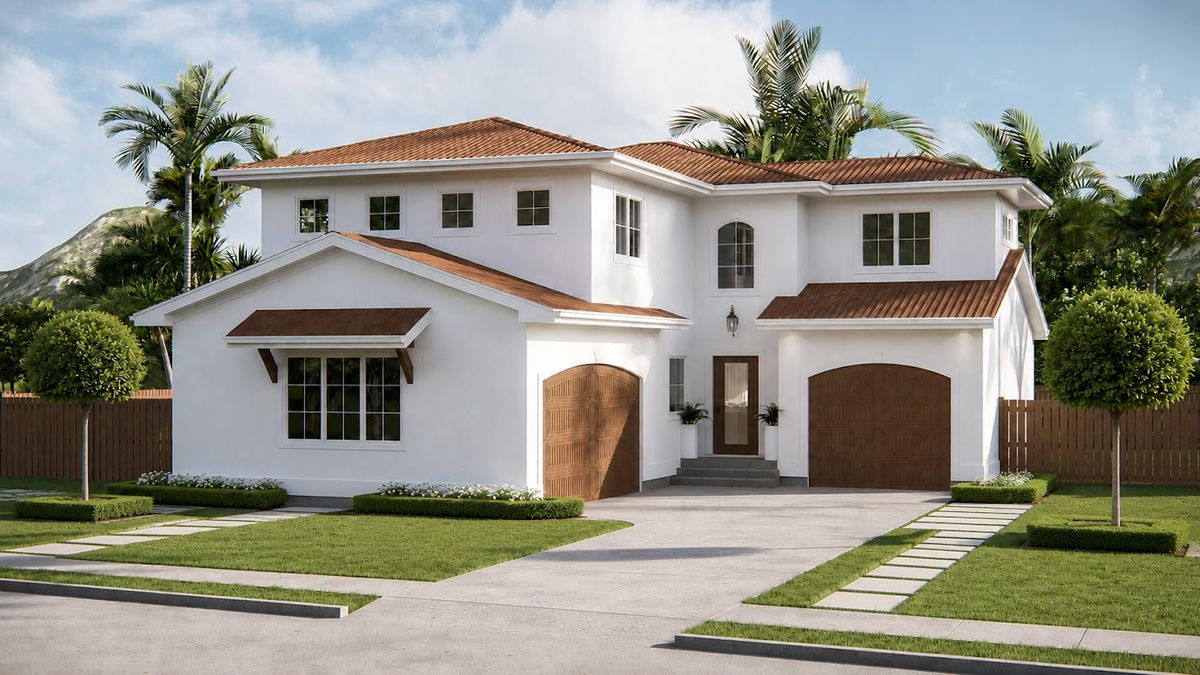
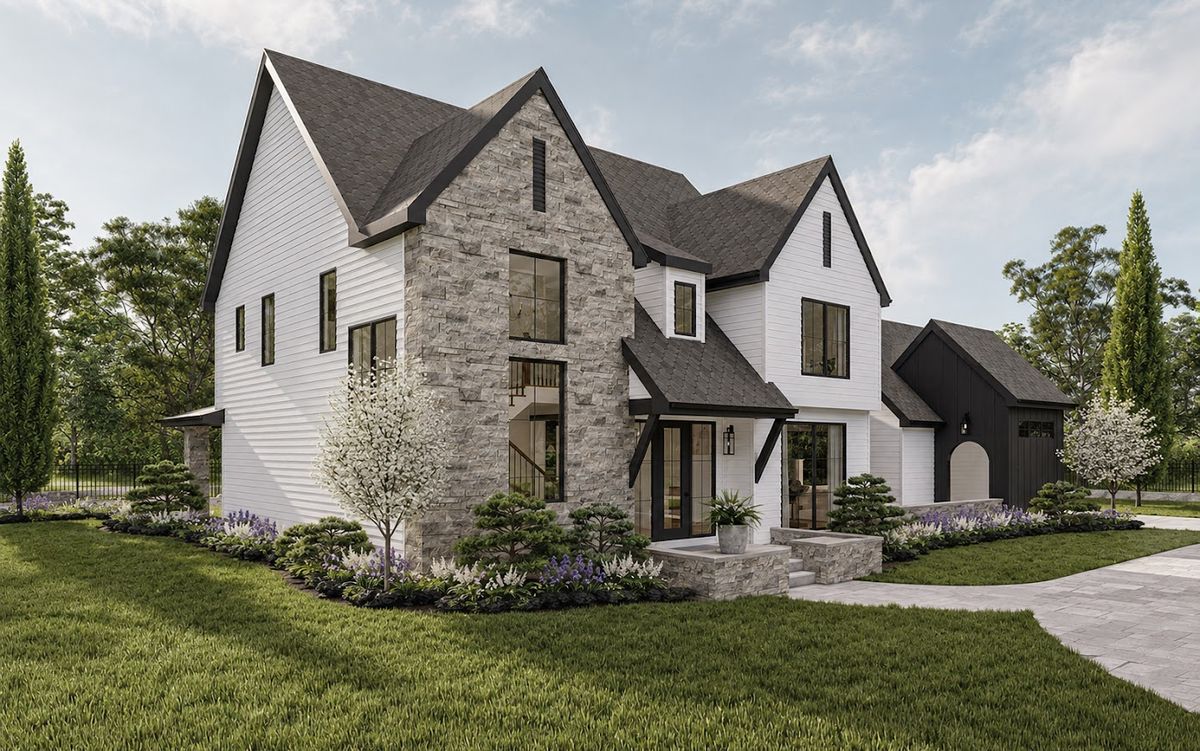
In Istanbul the cost of a square metre of land competes with the cost of building on it. That means a single-storey plan carries a hidden price: putting a 300 m² house on one level spends roughly twice the footprint that two storeys would. The models listed on this page are drawn mostly from the two-storey plans — the same living area on half the footprint, leaving the garden and the parking on the plot. On sloping, wooded Istanbul parcels a two-storey building also requires markedly less excavation and retaining work.
Transport and site access
It is roughly 450 km by road from our Gölbaşı facility to Istanbul. The issue specific to Istanbul is not distance but site access: the forest tracks around Şile and Beykoz, the narrow approaches at Polonezköy and the sloping parcels all require planning where the truck and the crane will stand before work begins. It is one of the first things we look at on a site visit.
Frequently Asked Questions
- Is a timber house safer than concrete in an Istanbul earthquake?
- Any properly engineered system can be safe; timber frame's advantage is structural. Earthquake force is proportional to mass, and a timber frame house weighs a fraction of equivalent concrete, with the ductile behaviour of nailed connections on top of that. What decides the outcome is correct execution of the continuous load path, the sill anchorage and the hold-downs.
- Will the damp air at Şile and Ağva damage the timber?
- Not when the detailing is right. A ventilated cavity behind the cladding, a correct water-resistive layer and a balanced vapour strategy are standard parts of timber frame; moisture is driven out before it becomes a problem. On Istanbul's Black Sea coast we give these details more attention than we would inland.
- Which type of model do you recommend in Istanbul?
- Usually two-storey plans, because the land is valuable. They give the same living area on half the footprint, leave the garden on the plot, and need less excavation on sloping forest parcels. If you prefer a single-storey plan, the plot needs to be wide and level.
- Can I build on my forest parcel?
- That depends on the zoning status and the classification of the land — forest, pasture or arable — and is independent of the building system. Send us your title deed and zoning status and we can assess together which models are feasible.
Models suited to Istanbul
See all 53 models →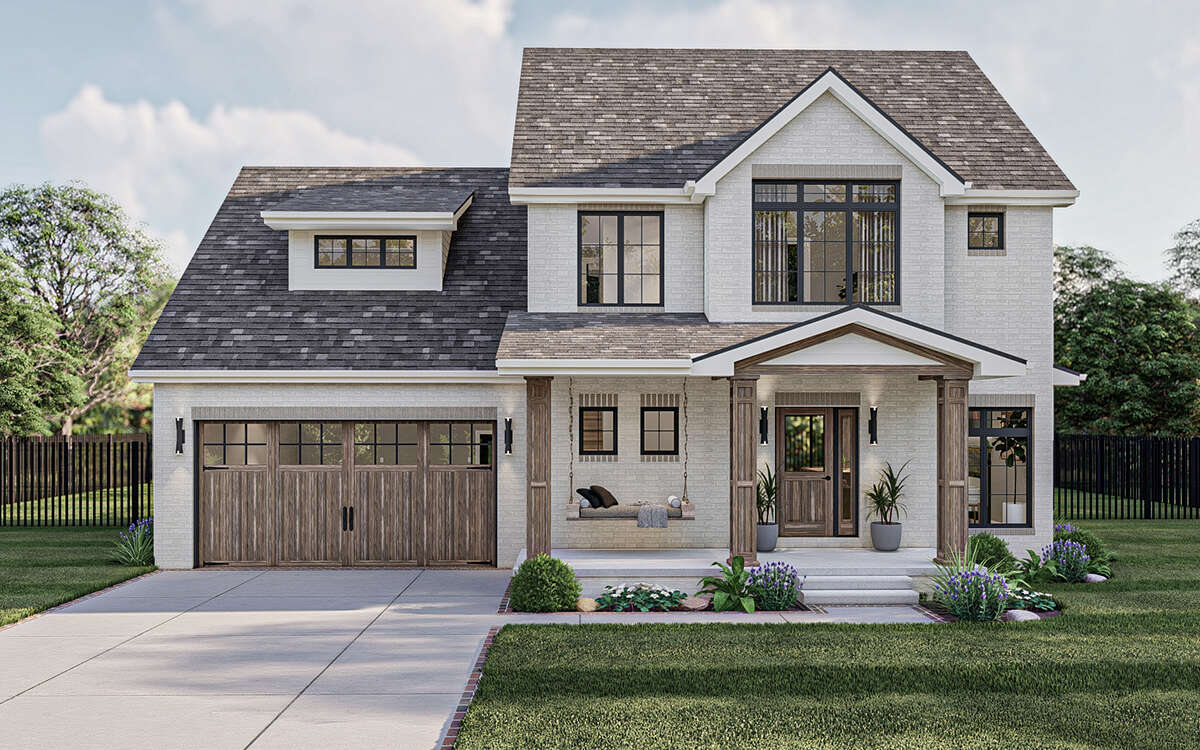
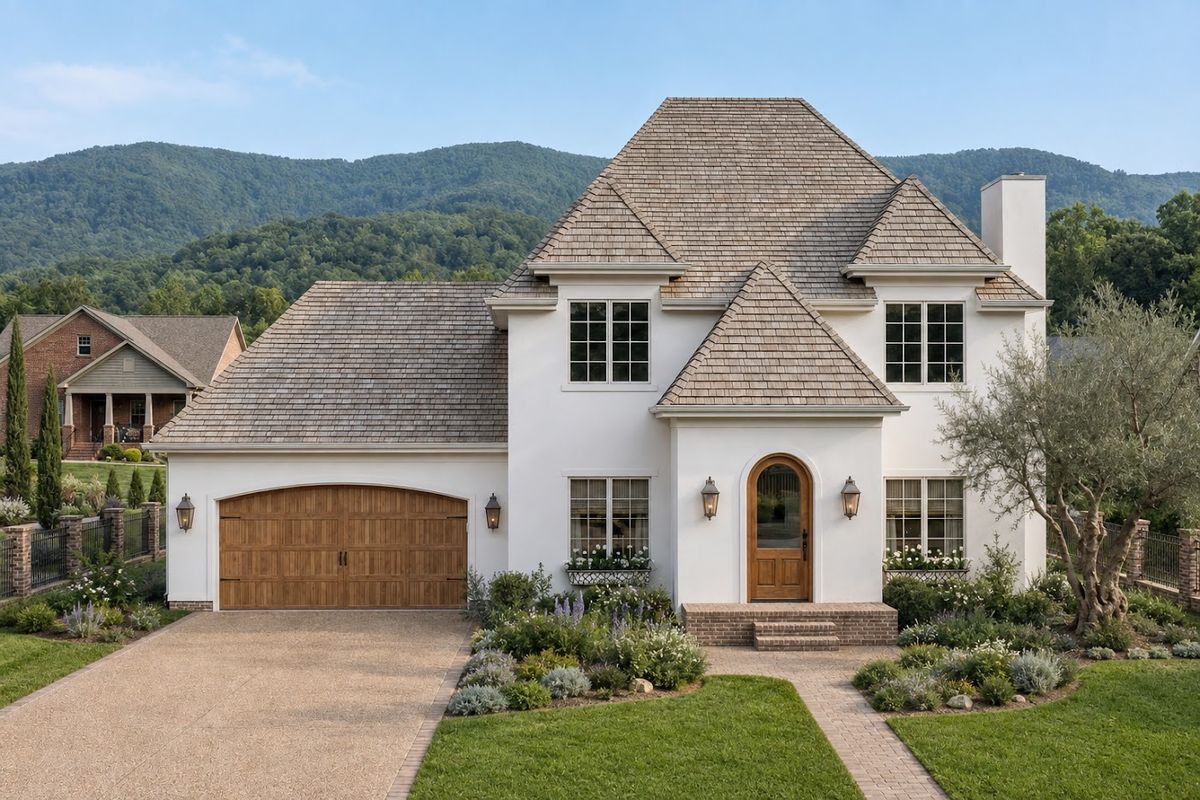
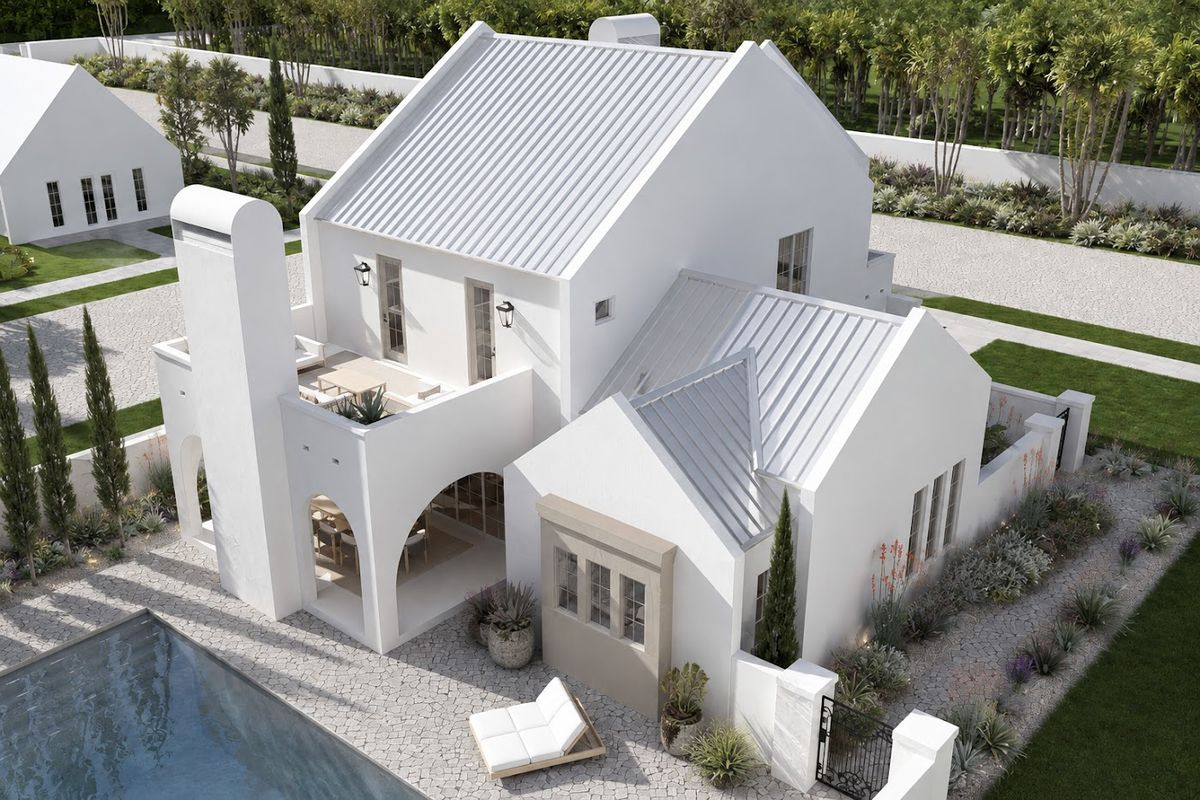
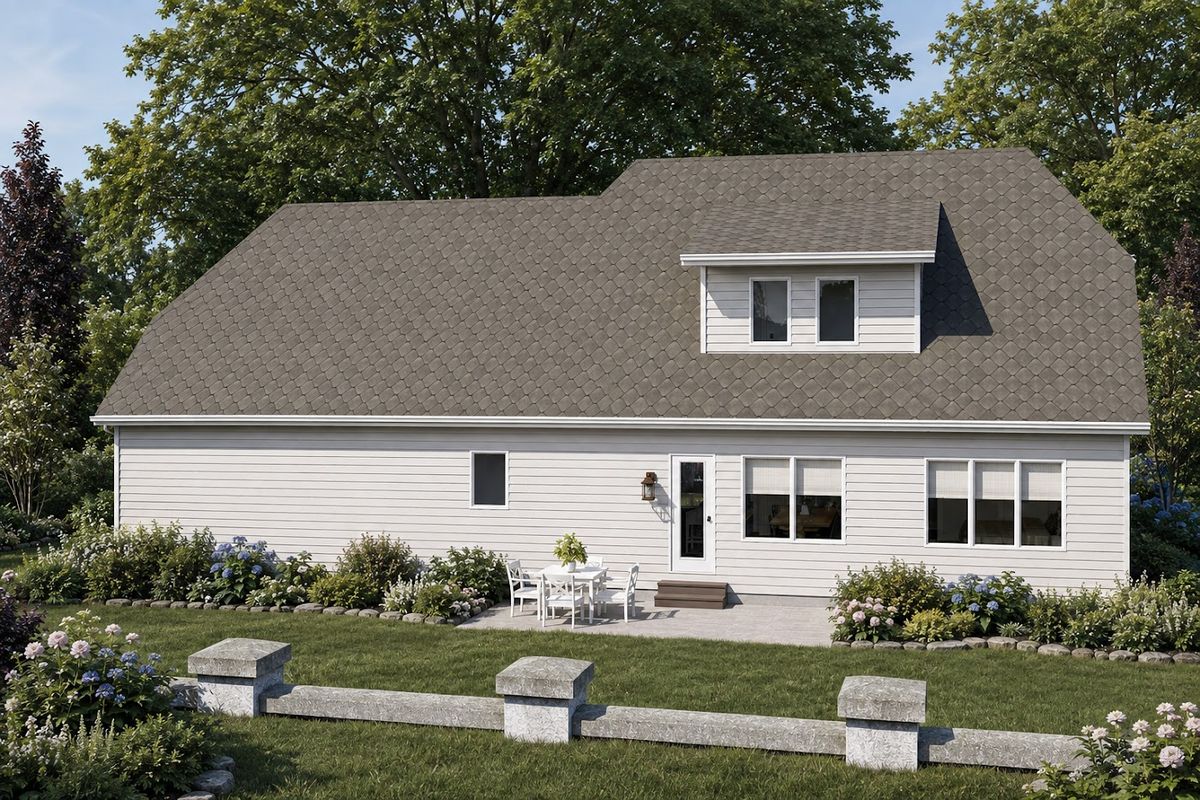
Other regions
Tell us about your plot
Send us the location, dimensions and zoning status of your plot and we will look at which models are feasible.
Get in Touch