Timber Frame Homes in Çanakkale
There is a reason Çanakkale is full of wind farms. Designing a house here, the first horizontal load to account for is wind.
- TS 825 climate zone
- Zone 2
- From our Gölbaşı facility
- approx. 660 km
The Çanakkale coast — from Assos to Bozcaada, from Küçükkuyu to Gökçeada — has been one of the fastest-growing boutique second-home regions in recent years. Land is more affordable than in Muğla and the fabric is sparser.
Where timber frame homes get built in Çanakkale
- Assos (Behramkale) and Kadırga — stone fabric, hillside parcels
- Küçükkuyu, Yeşilyurt and Adatepe — the foot of Mount Ida, olive-grove land
- Bozcaada and Gökçeada — island parcels, high wind exposure
- Ezine, Geyikli and Dalyan — large agricultural plots near the shore
- Ayvacık and its surroundings — inland and hillside parcels
- Gelibolu and Eceabat — Marmara and strait-side land
Wind load: the technical issue that sets Çanakkale apart
Çanakkale has some of the highest wind potential in Turkey — the density of wind farms in the region is the most visible evidence. What is an advantage for energy generation is a load a building has to account for. The strait corridor, the island parcels and the slopes of Mount Ida take sustained wind for most of the year.
Wind acts on a building in two ways: horizontal pressure on the facade and uplift on the roof. In timber frame, what resists those loads is the same system that resists seismic loads — the continuous load path. Roof trusses tie to the walls, the walls to the sill plate, and the sill plate to the foundation through anchor bolts; hold-downs resist overturning and uplift. That detailing is already a requirement of seismic design, and in high-wind regions it becomes critical on a second count.
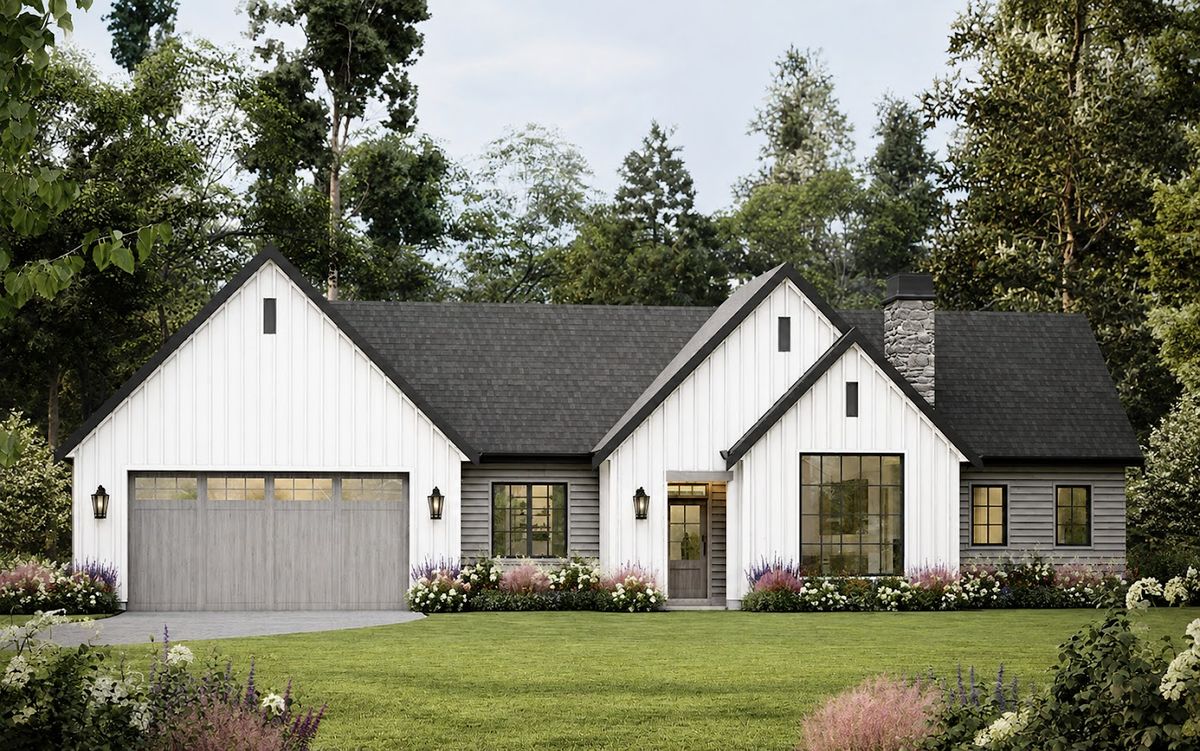
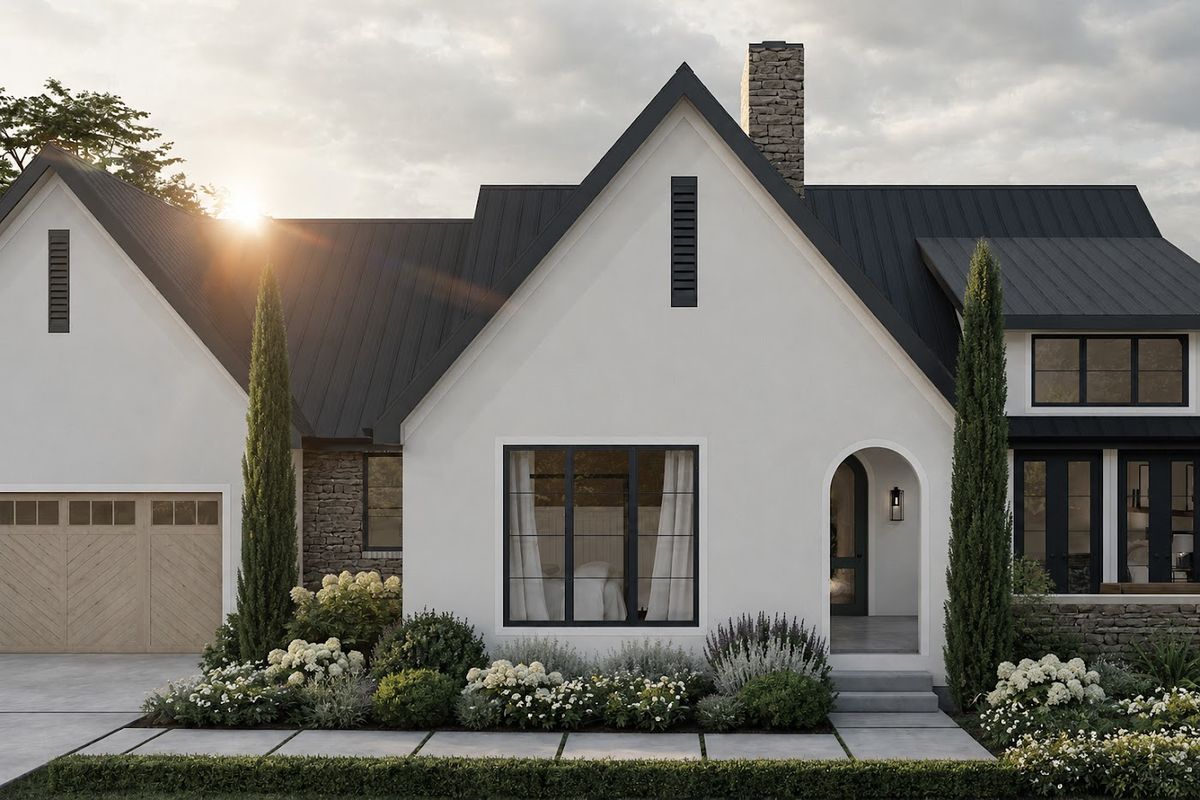
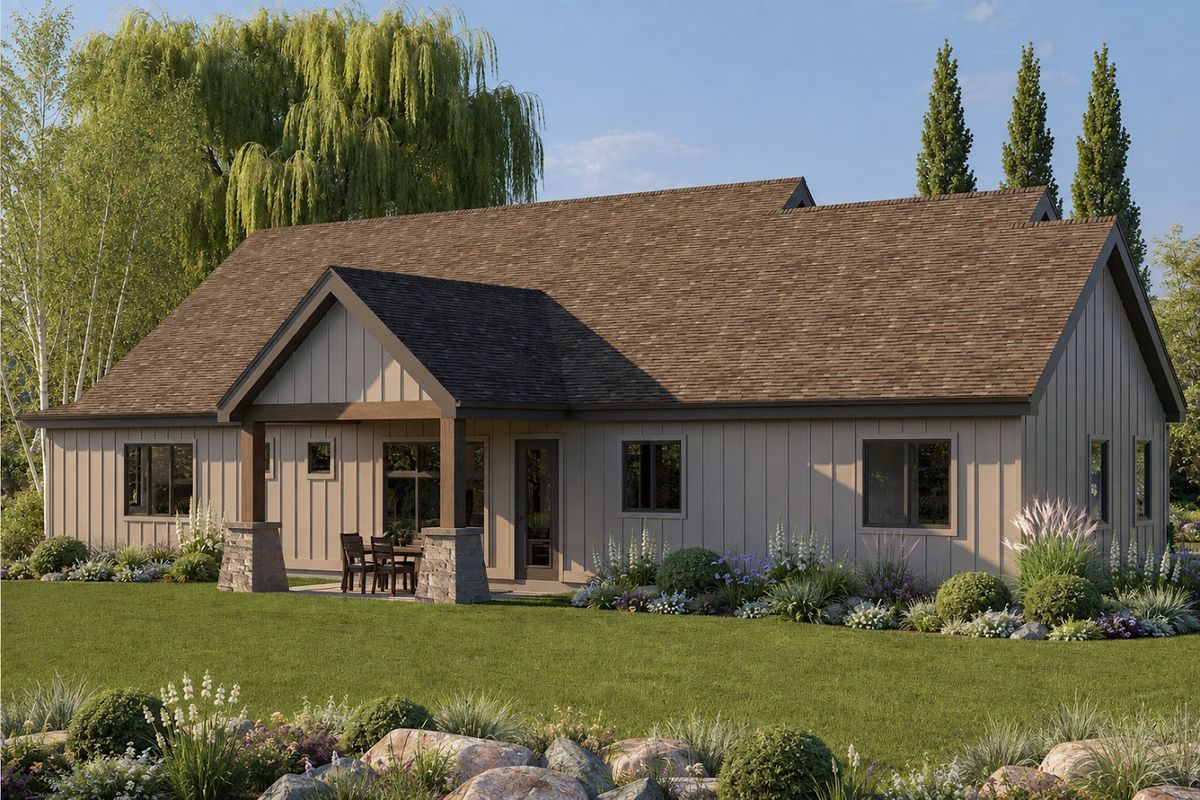
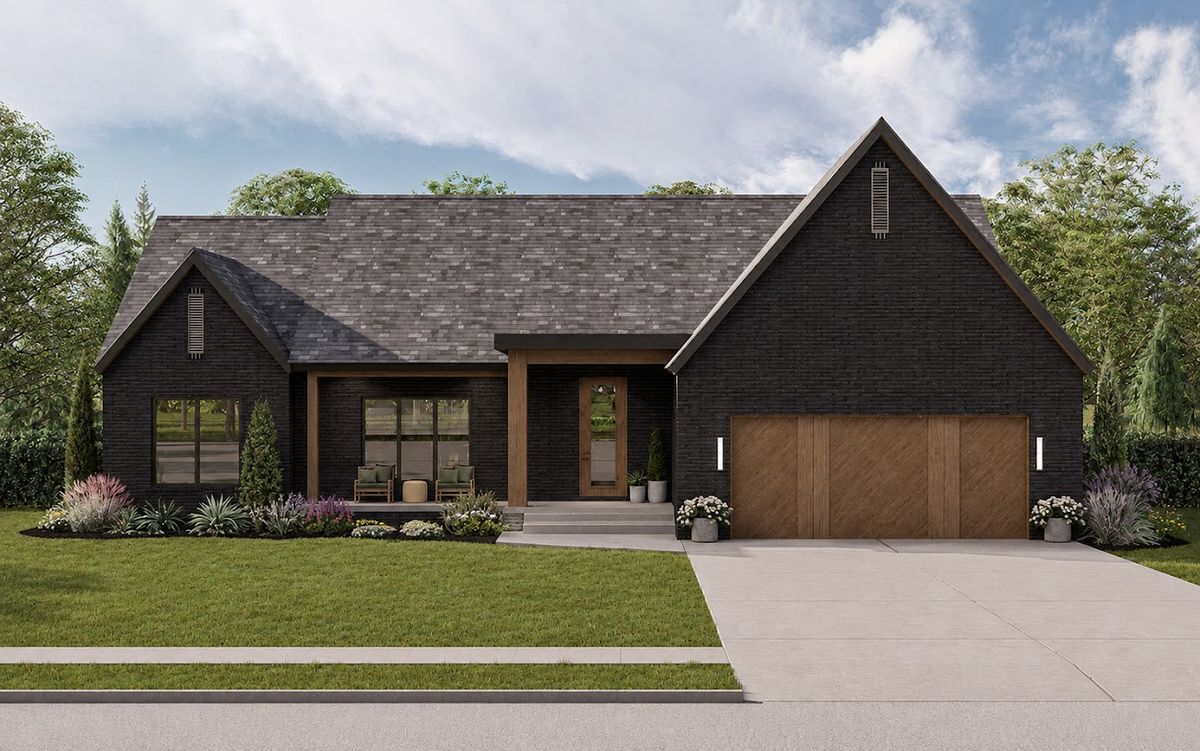
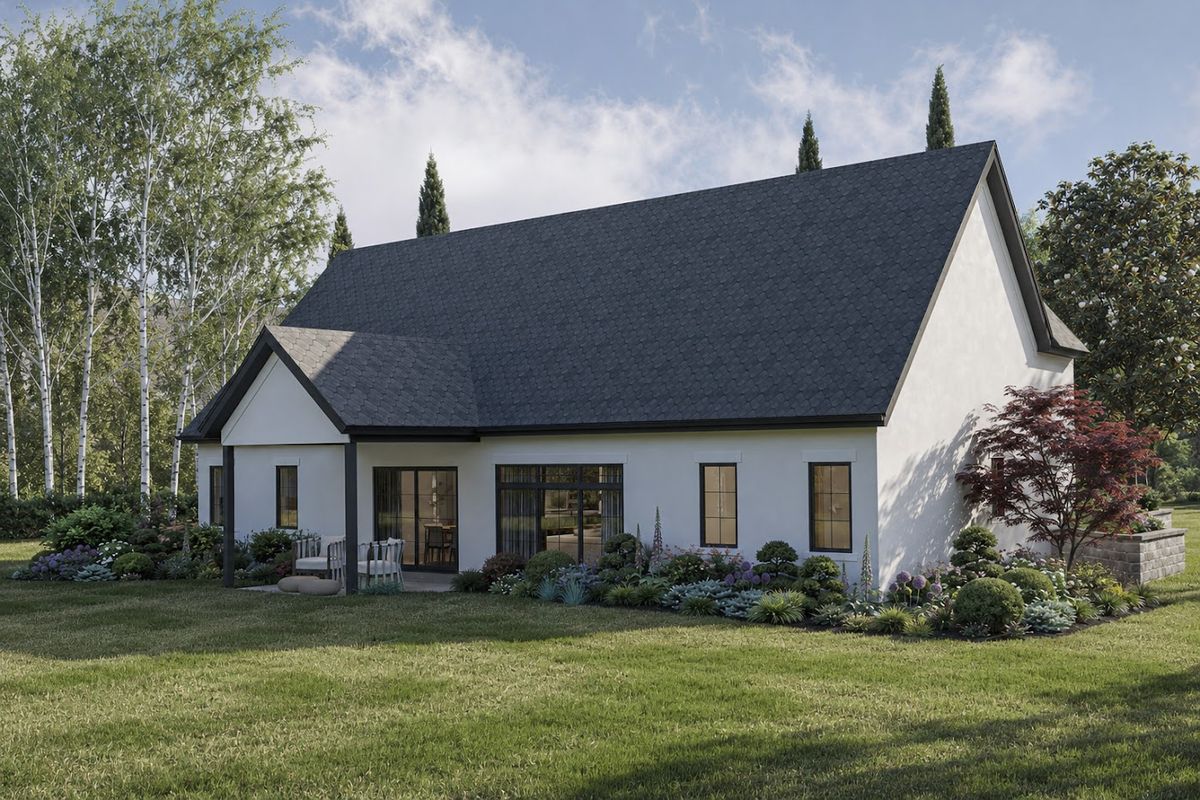
There is a consequence for plan selection too: on an exposed parcel, a compact, low-profile massing collects less wind load than a wide, sprawling one. The models listed on this page run from 126 to 284 m² and were chosen as compact plans. On island parcels the preference matters even more.
Climate: degree-day zone 2
Under TS 825 Çanakkale is in degree-day zone 2 — cooler than the Aegean coast, milder than Central Anatolia. Wind enters again here in a second way: sustained wind lowers the felt temperature and raises the cost of every leakage point in the building envelope. In windy regions airtightness can matter more than insulation thickness. Because a timber frame envelope is wrapped in a continuous membrane, this is an area where the system is naturally strong.
On shoreline and island parcels, corrosion-resistant fixings and cladding for salt air are standard; wind-driven salt transport is more aggressive on the Çanakkale coast than inland.
Earthquakes
Çanakkale sits under the influence of the southern branch of the North Anatolian Fault; the 2017 Ayvacık seismic sequence showed the region to be live. Under TBDY 2018 the acceleration value for each parcel is calculated from its coordinates. Timber frame's low mass and the ductile behaviour of nailed connections markedly reduce the force the same ground acceleration imposes compared with equivalent concrete.
Transport and site access
It is roughly 660 km from our Gölbaşı facility to Çanakkale. Parcels on Bozcaada and Gökçeada add one further item: the ferry crossing. Panel transport and crane access have to be planned separately in that case, and the schedule built around it. On island projects this is worth discussing from the very start.
Frequently Asked Questions
- Is Çanakkale's wind a problem for a timber house?
- Not a problem — a load to account for. Wind applies horizontal pressure to the facade and uplift to the roof; in timber frame what resists it is the same system that resists seismic loads — a continuous load path from roof to foundation, anchor bolts and hold-downs. On exposed parcels a compact, low-profile massing also collects less load.
- Do you build on Bozcaada or Gökçeada?
- We do, but on island projects the ferry crossing adds an item to transport and scheduling. Panel delivery and crane access have to be planned from the start. If you are considering an island parcel, let us discuss it in the first conversation.
- Which type of model do you recommend for Çanakkale?
- Compact, low-profile plans — the 126–284 m² models listed on this page were chosen on that criterion. On an exposed parcel a wide, sprawling massing collects more wind load; a compact footprint is an advantage both structurally and for comfort.
- Will the wind make the house cold inside?
- It will if airtightness is not properly resolved — in windy regions the cost of every leakage point in the envelope rises, and airtightness can matter more than insulation thickness. Because a timber frame envelope is wrapped in a continuous membrane, this is an area where the system is naturally strong.
Models suited to Çanakkale
See all 53 models →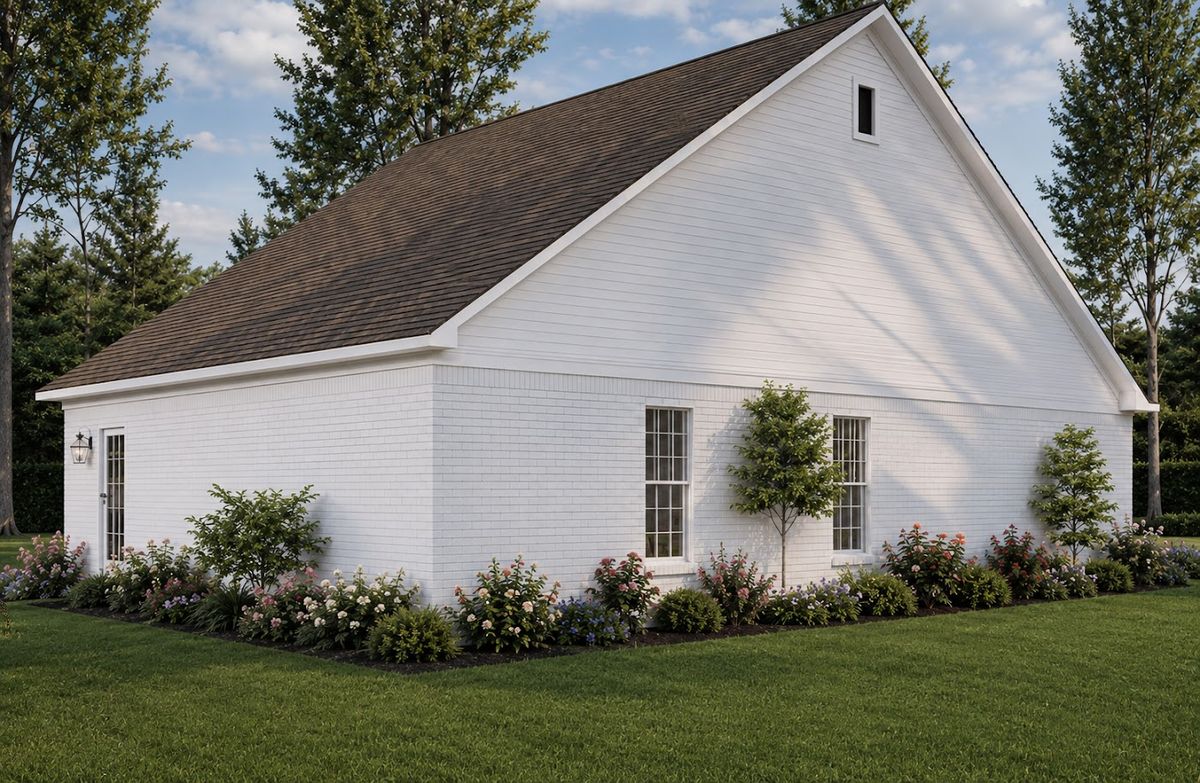
Other regions
Tell us about your plot
Send us the location, dimensions and zoning status of your plot and we will look at which models are feasible.
Get in Touch